
Loading
 Protecting consumers!

 18006669
Why Small Expenses Can Be More Dangerous Than Big Ones?
Most people worry about large purchases such as laptops, smartphones, or home appliances. Yet paradoxically, it is often small daily expenses that silently erode personal finances. This phenomenon is known as the **micro spending trap**, where small, seemingly harmless transactions accumulate into significant financial impact over time.
1. Why the Brain Underestimates Small Spending
When you spend a small amount, on subscriptions, digital services, or minor online purchases, your brain does not register it as a major loss.
Large payments, on the other hand, immediately trigger caution and careful evaluation.
As a result:
- Large expenses are planned.
- Small expenses are ignored.
Over time, accumulated micro-spending may exceed even major planned purchases.
2. The Power of Accumulation
Spending an extra small amount daily may seem insignificant. However, repeated transactions compound. The danger lies not in the size of each transaction but in repetition without awareness. This is the essence of the accumulation effect.
3. Big Purchases Often Come With Structure
Large purchases typically involve:
- Research and comparison
- Budget allocation
- Payment strategy planning
When using Buy Now Pay Later (BNPL) for a structured purchase, consumers clearly understand:
- Total cost
- Installment schedule
- Repayment timeline
This creates transparency and financial control. Small recurring expenses, by contrast, often lack such structure.
4. Digital Payments Increase Micro-Spending Risk
Cashless transactions and e-commerce reduce friction in small purchases. With a single tap, users can:
- Subscribe to a new service
- Upgrade digital plans
- Activate automatic renewals
Without physical cash leaving one’s wallet, small spending becomes almost invisible. This invisibility fuels the micro spending trap.
5. Is BNPL Part of the Micro Spending Trap?
It depends on usage. If Buy Now Pay Later is applied to repeated, impulsive small purchases, it may contribute to accumulated obligations.
However, when used for:
- Planned essential purchases
- High-value items
- Clear financial goals
BNPL becomes a structured financial tool rather than a trap.
6. MOVI BNPL and Structured Spending
Escaping the micro spending trap requires structure. With MOVI Buy Now Pay Later, consumers can:
- View total obligations clearly
- Track installment schedules
- Plan budgets accordingly
Instead of allowing small expenses to accumulate unnoticed, structured payment planning promotes financial transparency.
7. Breaking Free From the Micro Spending Trap
- Track all small expenses for 30 days.
- Categorize recurring payments.
- Compare cumulative micro-spending to planned major purchases.
This comparison often reveals that small expenses pose a greater long-term risk.
Conclusion
Large expenses make you think. Small expenses make you complacent. The accumulation effect transforms harmless transactions into financial strain over time. Understanding the micro spending trap enables strategic use of tools like BNPL and MOVI Buy Now Pay Later. In an era of flexible payments, the goal is not to avoid spending, but to structure spending consciously and responsibly.
Source: Compilation
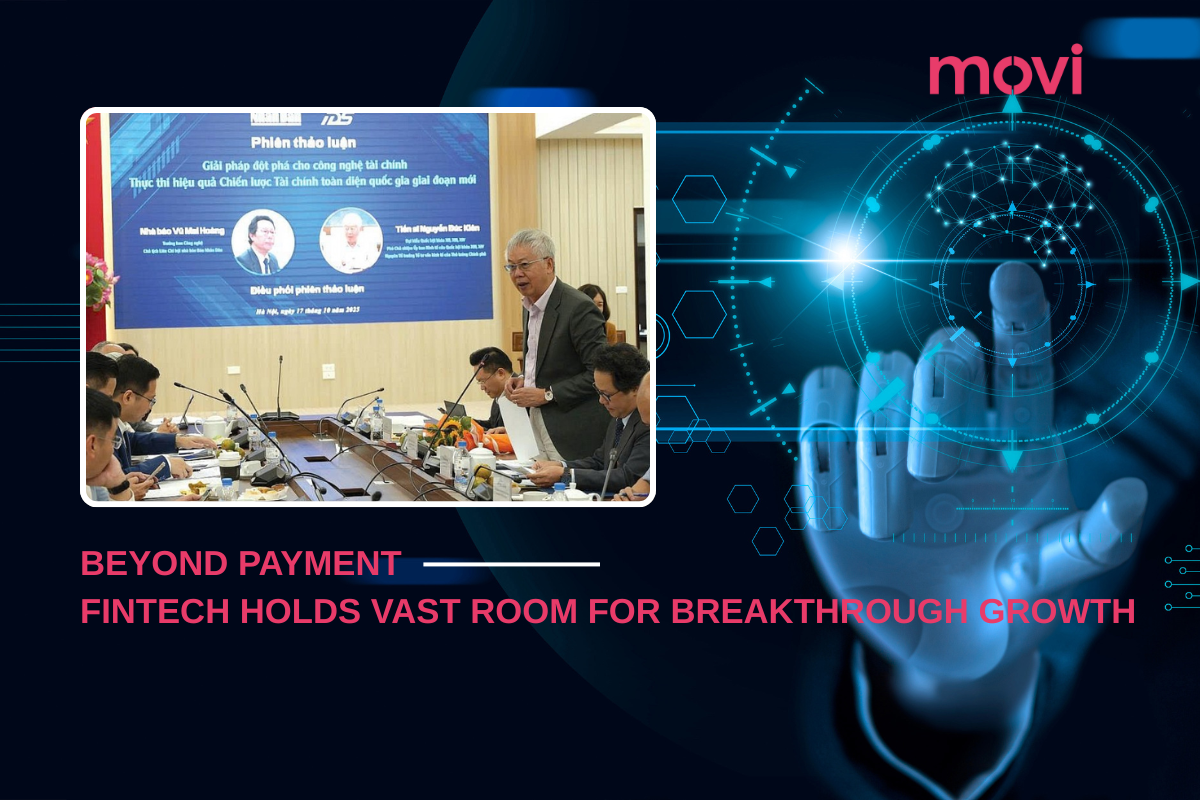
BEYOND PAYMENT, FINTECH HOLDS VAST ROOM FOR BREAKT...
28/10/2025
(TBTCO) – Fintech is creating strong momentum for cashless payment and digital financial s...
See more
WHEN FINANCIAL STRESS DIRECTLY IMPACTS WORK PERFOR...
13/02/2026
In today’s economy, financial stress has become more than a personal challenge, it is now...
See more
MOVI ACCOMPANIES THE VIETNAM GENERAL CONFEDERATION...
16/01/2023
MOVI deploys Tet booths with preferential prices in 8 provinces to serve the needs of empl...
See more
THÔNG CÁO BÁO CHÍ RA MẮT SẢN PHẨM "BAY TRƯỚC - TR...
11/05/2022
THÔNG CÁO BÁO CHÍ RA MẮT SẢN PHẨM "BAY TRƯỚC - TRẢ SAU"
See more
TOP 10 FINTECH PREDICTIONS FOR 2026
08/12/2025
The fintech sector enters 2026 facing a period of significant structural change
See more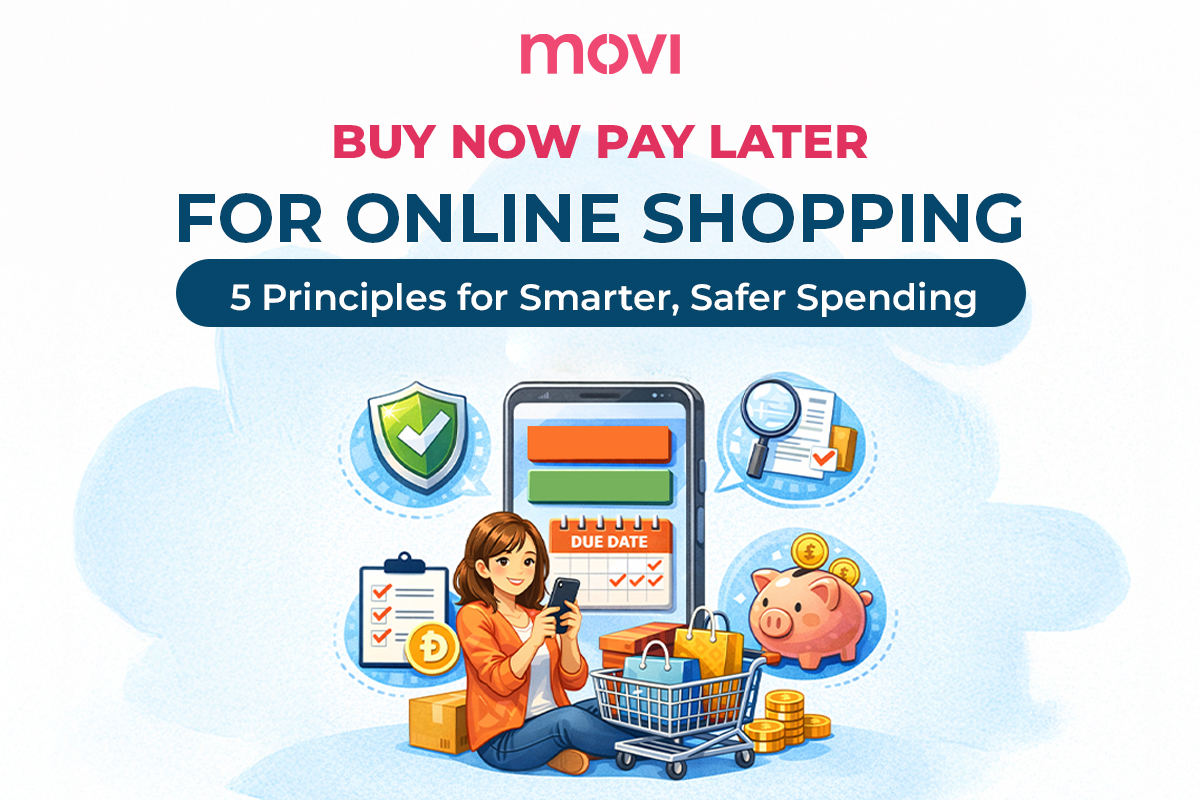
BUY NOW PAY LATER FOR ONLINE SHOPPING: 5 PRINCIPLE...
17/04/2026
Explore 5 practical principles for using buy now pay later in online shopping with greater...
See more
Viet Phu Payment Services Support Corporation
This website is established for the purpose of introducing MOVI Benefits Program deployed by Viet Phu and it's partners including but not limited to introduce the Partner, the goods, services sold in MOVI Benefits Program.


