
Loading
 Protecting consumers!

 18006669
When Spending Becomes a Habit, Are You Still in Control?
Have you ever opened an e-commerce app “just to browse” and ended up placing an order? Have you subscribed to a service and forgotten it’s charging you every month? Or have you looked at your account balance and wondered where your money went without remembering any major purchase?
These are classic signals of unconscious spending: when spending stops being a deliberate decision and becomes an automatic habit. The issue is not that you intentionally spend “too much.” It’s that you spend when you don’t fully notice you’re spending. In a digital world optimized for frictionless shopping, understanding unconscious spending is a core skill for smart consumption in 2026.
1) What Is Unconscious Spending and Why Is It So Common?
Unconscious spending happens when you pay by reflex: because it’s easy, because it’s fast, because it’s “right there,” or because you set up automatic payments long ago. It often occurs without asking: “Do I really need this?” or “Does this fit my budget?”
Modern commerce is engineered to reduce friction:
- Saved cards and wallets
- One-click checkout
- Personalized product recommendations
- Auto-renew subscriptions
- Real-time flash sale notifications
The lower the friction, the faster the action and the less mental space you have to think.
2) How Spending Habits Are Built
Most habits follow a simple loop: cue → routine → reward.
- Cue: boredom, stress, notifications, ads, “limited-time deals.”
- Routine: scrolling, adding to cart, checking out.
- Reward: short-term relief, excitement, a sense of “doing something.”
The danger is that the reward arrives immediately while the financial impact arrives later. Over time, the brain learns that purchasing reduces discomfort fast, so it repeats the behavior. Unconscious spending, therefore, is not a character flaw. It’s a habit system problem.
3) Three Common Blind Spots That Drive Unconscious Spending
(1) Auto-pay and recurring subscriptions
You subscribe once and forget. Monthly charges continue quietly, creating budget leakage.
(2) Shopping as emotional regulation
Not always intense emotion—sometimes just “killing time,” “changing mood,” or “feeling productive.”
(3) Default payment settings
When payment becomes too seamless, you lose the sensation of paying. You experience “done” instead of “spent.”
4) How to Bring Spending Back Under Control
The goal is not to stop buying. The goal is to rebuild pause points before payment.
Step 1: Create a 10-second pause
Before checkout, pause and ask: “What does this purchase meaningfully support in the next 30 days?” If unclear, delay for 24 hours.
Step 2: Separate “needs budget” and “impulse budget”
You don’t need to eliminate impulse spending—just cap it with a fixed amount. When it’s gone, you stop without guilt.
Step 3: Audit automatic charges
Once a month, review subscriptions and auto-payments. What you don’t see, you don’t control.
Step 4: Choose payment methods that make obligations visible
When repayment schedules and total obligations are clear, spending becomes more conscious.
5) BNPL and MOVI: Structuring Payment Commitments
In a world of flexible payments, BNPL (Buy Now, Pay Later) can serve as a structuring tool when used responsibly. It doesn’t replace discipline, but it helps you see:
- Total payable amount
- Installment count and timing
- Cash-flow-aligned repayment planning
With MOVI BNPL, transparent schedules can reduce “autopilot spending.” You know what you’re committing to, rather than letting spending drift through habit.
Conclusion
When spending becomes a habit, control can quietly slip away. Unconscious spending isn’t loud, but it steadily drains budgets through repetition. You don’t need extreme frugality to regain control. You need better pause points, subscription audits, and payment structures that make commitments visible. In the consumer landscape of 2026, this is the foundation of sustainable personal finance.
Source: Compilation
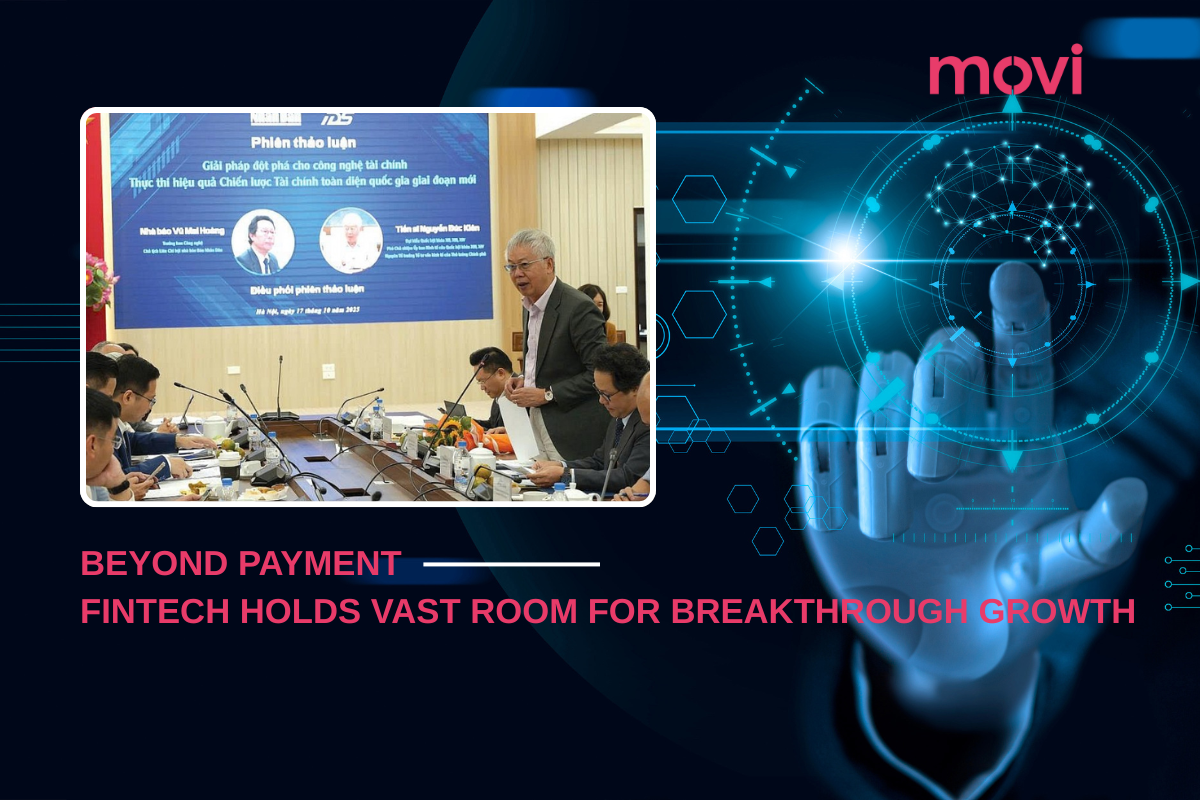
BEYOND PAYMENT, FINTECH HOLDS VAST ROOM FOR BREAKT...
28/10/2025
(TBTCO) – Fintech is creating strong momentum for cashless payment and digital financial s...
See more
WHEN FINANCIAL STRESS DIRECTLY IMPACTS WORK PERFOR...
13/02/2026
In today’s economy, financial stress has become more than a personal challenge, it is now...
See more
MOVI ACCOMPANIES THE VIETNAM GENERAL CONFEDERATION...
16/01/2023
MOVI deploys Tet booths with preferential prices in 8 provinces to serve the needs of empl...
See more
THÔNG CÁO BÁO CHÍ RA MẮT SẢN PHẨM "BAY TRƯỚC - TR...
11/05/2022
THÔNG CÁO BÁO CHÍ RA MẮT SẢN PHẨM "BAY TRƯỚC - TRẢ SAU"
See more
TOP 10 FINTECH PREDICTIONS FOR 2026
08/12/2025
The fintech sector enters 2026 facing a period of significant structural change
See more
BUY NOW PAY LATER FOR ONLINE SHOPPING: 5 PRINCIPLE...
17/04/2026
Explore 5 practical principles for using buy now pay later in online shopping with greater...
See more
Viet Phu Payment Services Support Corporation
This website is established for the purpose of introducing MOVI Benefits Program deployed by Viet Phu and it's partners including but not limited to introduce the Partner, the goods, services sold in MOVI Benefits Program.


