
Loading
 Protecting consumers!

 18006669
The Truth About the “Cheap Feeling” and Why You’re Easily Misled?
Have you ever bought something because it felt “too cheap to miss,” only to wonder later: “Was it actually cheap or did I just get pulled by the feeling?” In today’s e-commerce world, the “cheap feeling” is often a carefully engineered psychological effect. It’s not limited to big sale events; it appears in pricing formats, comparison tactics, savings messages, and even installment framing.
This is where price illusion psychology takes over: it makes you believe you’re getting a great deal, even when you may be paying more in total, or buying something you didn’t truly need.
1) Where Does the “Cheap Feeling” Come From?
“Cheap” is not just a number, it’s a perception. And that perception is often shaped by an anchor: a reference price presented first so your brain has something to compare against. For example: “Original price $199, now $129.” Even if you don’t know whether $199 was ever the real selling price, your brain treats it as the anchor. Compared to it, $129 feels like a win.
In reality, “original prices” can sometimes be MSRP references or adjusted benchmarks designed to create the appearance of deeper discounts. The goal is not to distrust every promotion, it’s to understand how easily perception can be guided.
2) Common Price Illusions in Online Shopping
(1) Decoy pricing
A higher-priced option is placed next to the one you’re considering to make your option feel “reasonable.” You don’t buy the most expensive, but you still buy because it feels like the smart middle choice.
(2) Percentage framing
“50% off” feels more powerful than “save $10,” even when the actual savings are modest. Percentages trigger emotional reaction faster than real cost calculations.
(3) Per-month framing
“Only $9.99/month” feels light. But if the plan runs for many months, the total cost may be substantial. This is a unit-based illusion: you compare a month, not the total.
(4) Hidden costs and add-ons
Shipping fees, platform charges, extended warranty prompts, accessories, and return conditions can inflate the total cost. Cheap on the product page does not always mean cheap in real ownership.
3) Why Do You Click “Buy” Faster When It Feels Cheap?
Not because you lack discipline, but because the brain loves the feeling of “winning a deal.” It feels like a small victory: you were fast, smart, and “caught the opportunity.” In fast-moving e-commerce environments, that victory feeling can be stronger than actual need. The result is a purchase made before asking the most important question: “Do I really need this?”
4) How to Break the Price Illusion: Three Core Questions
To resist “cheap feeling” traps, build a habit of asking:
- What is the total cost? (not just the displayed price)
- Would I buy this if it wasn’t discounted?
- Am I comparing correctly? (same version, warranty, quality, and features)
These questions create a pause, bringing decision-making back to reality.
5) BNPL and the “Cheap Feeling”: Tool or Trap?
BNPL can intensify the cheap feeling because payments appear smaller when divided into installments. “Only X per month” can make the purchase feel lighter than it truly is. However, BNPL itself isn’t the problem. The real issue is whether you see the full picture. When BNPL comes with transparent total payable amounts and clear schedules, it can support planned, structured spending, not impulsive purchases. With MOVI Buy Now, Pay Later (MOVI BNPL), the value lies in clarity: knowing total obligations, installment timelines, and payment planning. This visibility helps consumers shift from “cheap feeling” to “smart structure.”
Conclusion
The truth about the “cheap feeling” is simple: you don’t only buy because it’s cheap, you buy because it feels cheap. And that feeling can be designed to trigger fast decisions. In smart consumption 2026, the key skill is not hunting bigger discounts. It’s recognizing price illusions: calculating total cost, comparing properly, and choosing a payment method that supports control. If you use BNPL, use it as a structure, not as a shortcut. And choose transparent solutions like MOVI BNPL to stay in control when the “cheap feeling” shows up.
Source: Compilation
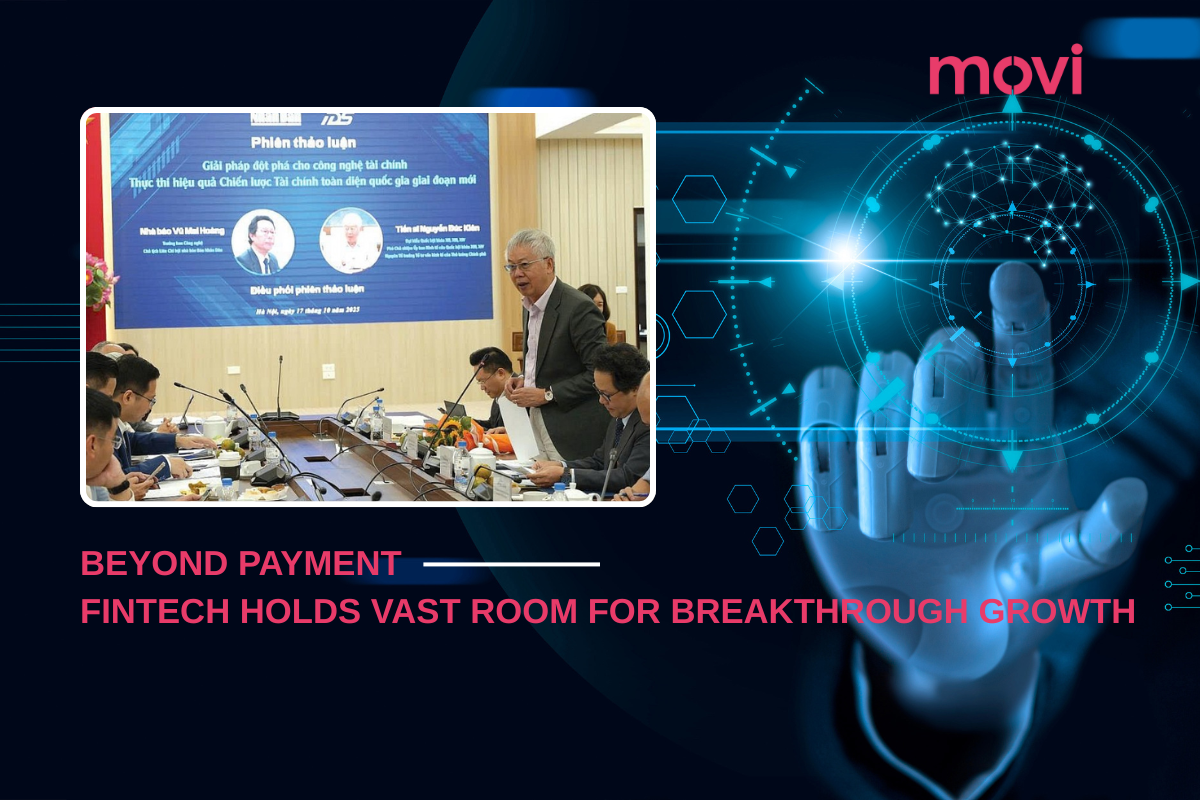
BEYOND PAYMENT, FINTECH HOLDS VAST ROOM FOR BREAKT...
28/10/2025
(TBTCO) – Fintech is creating strong momentum for cashless payment and digital financial s...
See more
WHEN FINANCIAL STRESS DIRECTLY IMPACTS WORK PERFOR...
13/02/2026
In today’s economy, financial stress has become more than a personal challenge, it is now...
See more
MOVI ACCOMPANIES THE VIETNAM GENERAL CONFEDERATION...
16/01/2023
MOVI deploys Tet booths with preferential prices in 8 provinces to serve the needs of empl...
See more
THÔNG CÁO BÁO CHÍ RA MẮT SẢN PHẨM "BAY TRƯỚC - TR...
11/05/2022
THÔNG CÁO BÁO CHÍ RA MẮT SẢN PHẨM "BAY TRƯỚC - TRẢ SAU"
See more
TOP 10 FINTECH PREDICTIONS FOR 2026
08/12/2025
The fintech sector enters 2026 facing a period of significant structural change
See more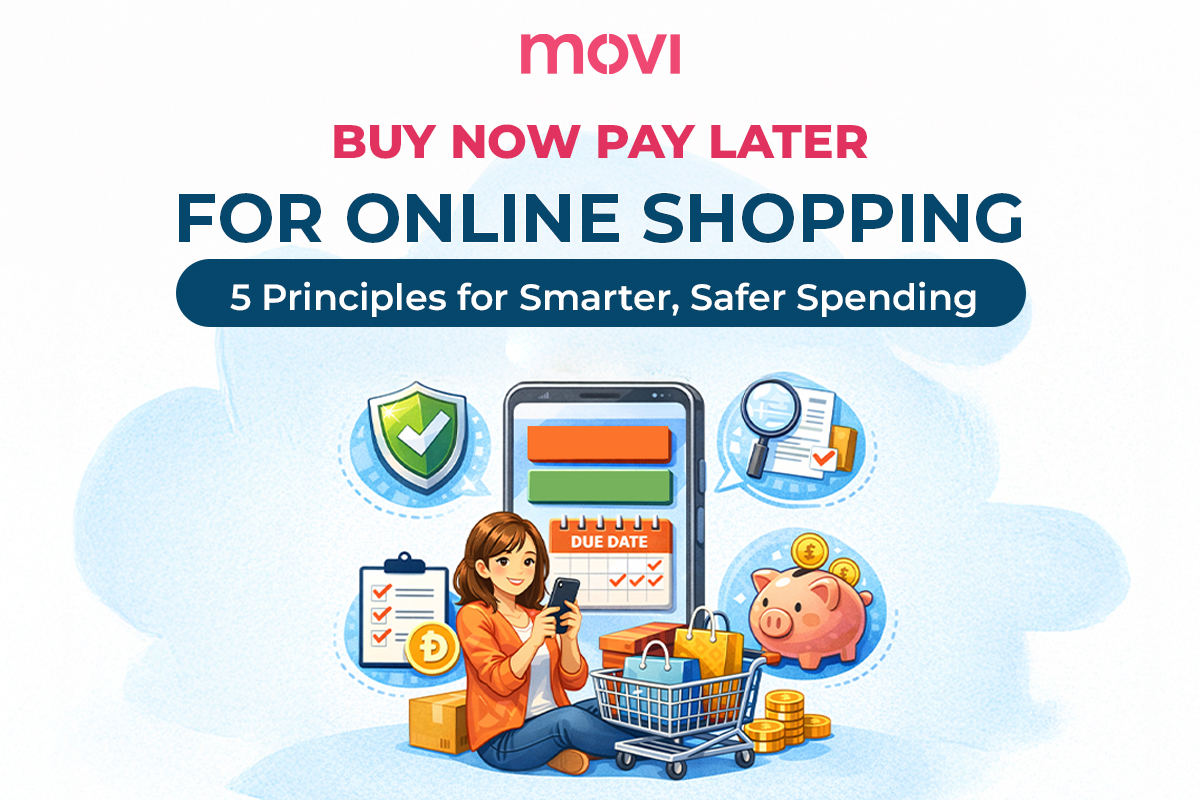
BUY NOW PAY LATER FOR ONLINE SHOPPING: 5 PRINCIPLE...
17/04/2026
Explore 5 practical principles for using buy now pay later in online shopping with greater...
See more
Viet Phu Payment Services Support Corporation
This website is established for the purpose of introducing MOVI Benefits Program deployed by Viet Phu and it's partners including but not limited to introduce the Partner, the goods, services sold in MOVI Benefits Program.


