
Loading
 Protecting consumers!

 18006669
How a Small Decision Can Disrupt Your Monthly Budget
Many “tight budget months” don’t start with a major financial shock. They often begin with one small decision: buying earlier than planned, adding a new installment commitment, or choosing a payment option that feels “lighter this month.” That single choice can trigger ripple effect spending, a chain reaction that quietly reshapes the rest of your monthly cash flow. In an e-commerce world powered by frictionless checkout and flexible payment options, understanding ripple effects becomes a key skill for cash flow management, especially when using BNPL (Buy Now, Pay Later).
1) What is ripple effect spending?
Ripple effect spending refers to a pattern where a small purchase or timing decision causes downstream financial consequences. You may not feel the impact immediately, but the budget shifts over time, often becoming obvious in week three or four, when fixed expenses and scheduled payments stack up. It’s not always about spending “too much.” It’s often about spending at the wrong time, in a way that changes your monthly rhythm.
2) The ripple mechanism: three common layers
Layer 1: Weekly budget distortion
Most people follow an informal weekly budget, even without writing it down. A small early purchase can consume next week’s room, forcing tighter spending later.
Layer 2: Collision with fixed expenses
Early spending can accidentally eat into rent, bills, transportation, or other fixed obligations. When due dates arrive, you’re forced into compensation: delaying other needs, dipping into emergency funds, or borrowing.
Layer 3: Increased future obligations
If the decision involves installments, recurring payments, or any scheduled repayment, you’ve created an obligation that travels into future weeks or months. That obligation isn’t bad by itself, but it becomes risky when you don’t track the total monthly load.
3) Why ripple effects are more common in 2026
In 2026, two realities amplify ripple effects:
- Low-friction digital payments: decisions happen faster than your budget recalibration.
- Multiple flexible payment options: you can split, delay, or restructure payments instantly.
These tools are helpful when planned, but they can create ripple effects when used to “make a purchase feel lighter.”
4) Does BNPL intensify ripple effects?
BNPL (Buy Now, Pay Later) does not automatically harm your budget. Ripple effects occur when consumers focus only on the installment amount and ignore total monthly obligations. To use BNPL responsibly, treat it as a cash flow planning tool, not a shortcut to reduce the perceived weight of spending. A simple rule: before choosing BNPL, add up your existing installment commitments (if any) to ensure you still have budget capacity.
5) MOVI Buy Now, Pay Later: structuring cash flow, not patching it
A strong BNPL solution helps you access what you need without breaking your monthly cash flow. To reduce ripple effects, transparency matters: clear schedules, total payable amounts, and defined timelines. With MOVI BNPL, the healthiest approach is to use flexibility to:
- Protect fixed obligations
- Spread costs with a defined plan
- Avoid chain-reaction compensation later in the month
In other words, use MOVI Buy Now, Pay Later to organize cash flow, not to “patch” short-term budget gaps.
6) A 60-second ripple control framework
Before clicking “buy,” ask four questions:
- Which week’s budget does this reduce?
- Will it collide with upcoming fixed expenses?
- Does it create an obligation next month?
- If using BNPL, what is my total monthly installment load?
Answering these questions reduces ripple effects dramatically.
Conclusion
A small decision can disrupt your entire monthly budget not because you lack discipline, but because cash flow has a rhythm and obligations accumulate. Understanding ripple effect spending helps you buy more intentionally, choose payment methods more strategically, and maintain stability. When flexibility is needed, BNPL / Buy Now, Pay Later, especially through transparent solutions like MOVI BNPL, can support healthy budgeting rather than destabilize it.
Source: Compilation
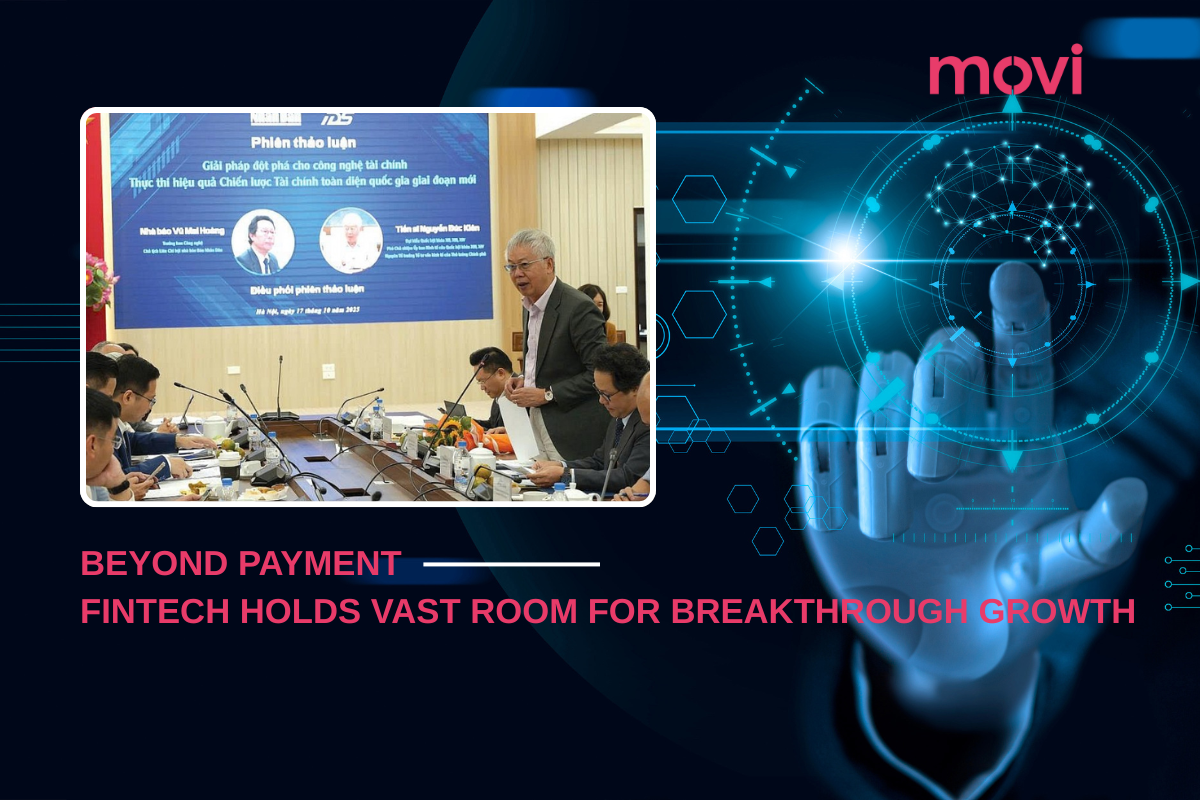
BEYOND PAYMENT, FINTECH HOLDS VAST ROOM FOR BREAKT...
28/10/2025
(TBTCO) – Fintech is creating strong momentum for cashless payment and digital financial s...
See more
WHEN FINANCIAL STRESS DIRECTLY IMPACTS WORK PERFOR...
13/02/2026
In today’s economy, financial stress has become more than a personal challenge, it is now...
See more
MOVI ACCOMPANIES THE VIETNAM GENERAL CONFEDERATION...
16/01/2023
MOVI deploys Tet booths with preferential prices in 8 provinces to serve the needs of empl...
See more
THÔNG CÁO BÁO CHÍ RA MẮT SẢN PHẨM "BAY TRƯỚC - TR...
11/05/2022
THÔNG CÁO BÁO CHÍ RA MẮT SẢN PHẨM "BAY TRƯỚC - TRẢ SAU"
See more
TOP 10 FINTECH PREDICTIONS FOR 2026
08/12/2025
The fintech sector enters 2026 facing a period of significant structural change
See more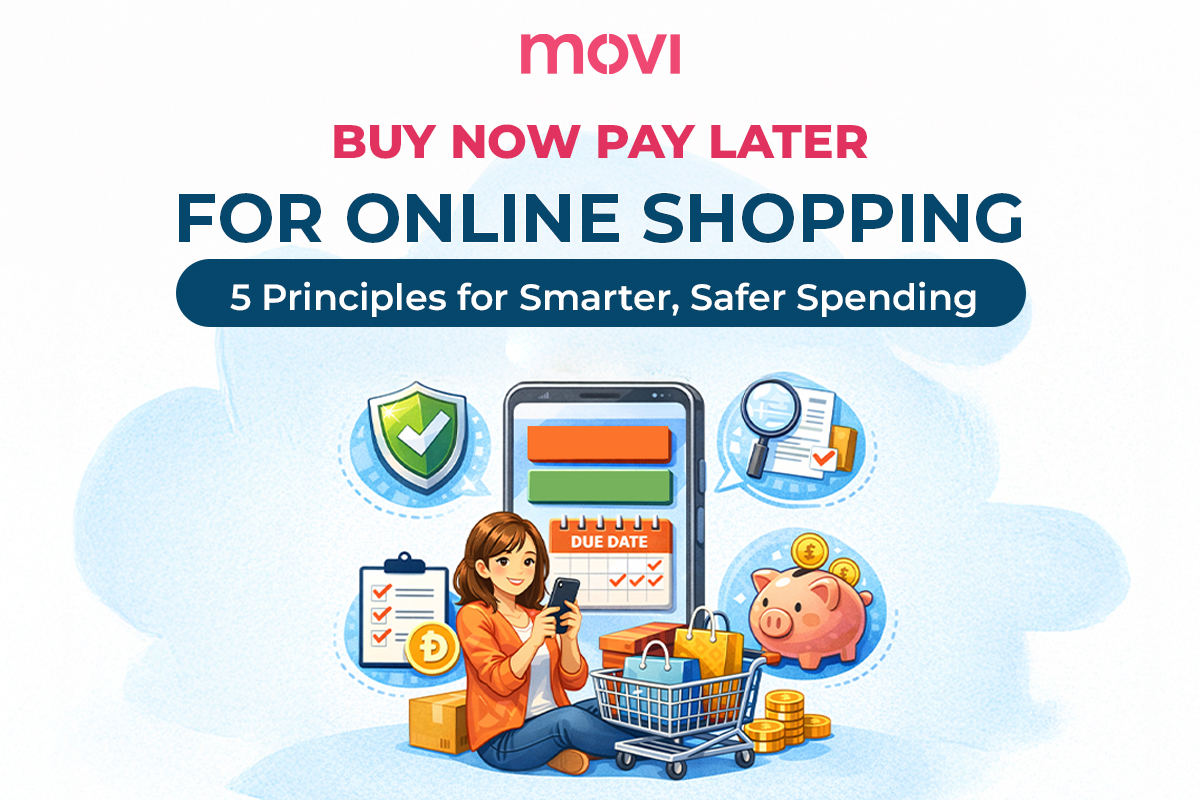
BUY NOW PAY LATER FOR ONLINE SHOPPING: 5 PRINCIPLE...
17/04/2026
Explore 5 practical principles for using buy now pay later in online shopping with greater...
See more
Viet Phu Payment Services Support Corporation
This website is established for the purpose of introducing MOVI Benefits Program deployed by Viet Phu and it's partners including but not limited to introduce the Partner, the goods, services sold in MOVI Benefits Program.


