
Loading
 Protecting consumers!

 18006669
Are You Spending More or Just Feeling It Less?
The rise of Buy Now Pay Later (BNPL) has transformed how consumers perceive spending. But an important question remains: Are we actually spending more, or does it simply feel easier to spend?
Understanding the difference between “actual spending” and “perceived spending” is essential in today’s flexible payment landscape.
1. Perception vs. Reality in Financial Behavior
In personal finance, two layers coexist:
- Actual cash outflow.
- Emotional perception of payment.
When paying a large amount upfront, the sense of financial loss is immediate and noticeable. With Buy Now Pay Later, costs are distributed across installments, reducing the psychological weight of payment.
This does not necessarily increase total spending, it changes how the cost is experienced.
2. Flexible Payments Restructure Budget Timing
Instead of allocating a large sum in a single month, BNPL allows consumers to distribute costs over time.
This helps:
- Maintain monthly budget stability
- Protect fixed financial obligations
- Preserve emergency savings
From a structural perspective, Buy Now Pay Later does not increase spending if the original budget remains intact. It simply introduces flexibility.
3. Why People Assume BNPL Leads to Overspending
There are three primary reasons:
- First, reduced checkout friction accelerates decisions.
- Second, smaller installments appear less significant than a single large payment, even if the total is identical.
- Third, lack of tracking cumulative installment obligations may create an illusion of lower spending.
BNPL itself does not cause overspending, poor tracking does.
4. MOVI BNPL and Transparent Spending Control
A defining feature of MOVI Buy Now Pay Later is transparency.
Users can:
- Clearly see total payable amounts
- Know the exact number of installments
- Track precise payment schedules
Transparency transforms BNPL from a spending trigger into a financial management tool.
In the context of personal finance 2026, clarity and control are fundamental to sustainable financial behavior.
The Real Question: Control, Not Amount
If your budget allows 10 million VND for essential equipment, paying upfront or through installments does not change your spending limit.
What changes is:
- Cash flow timing
- Immediate financial perception
- Liquidity preservation
The critical factor is whether you monitor your total obligations effectively.
5. Planned Consumption in the Era of Flexible Payments.
Flexible payments are tools. Their impact depends on how they are used.
When applied responsibly, Buy Now Pay Later:
- Balances needs with affordability
- Optimizes cash flow
- Reduces upfront payment pressure
With MOVI BNPL, consumers gain access to structured flexibility while maintaining financial control.
Conclusion
You may not be spending more with BNPL: you may simply feel less financial friction at the moment of purchase.
Understanding this distinction empowers you to use Buy Now Pay Later strategically. When managed responsibly, flexible payments enhance financial planning rather than undermine it.
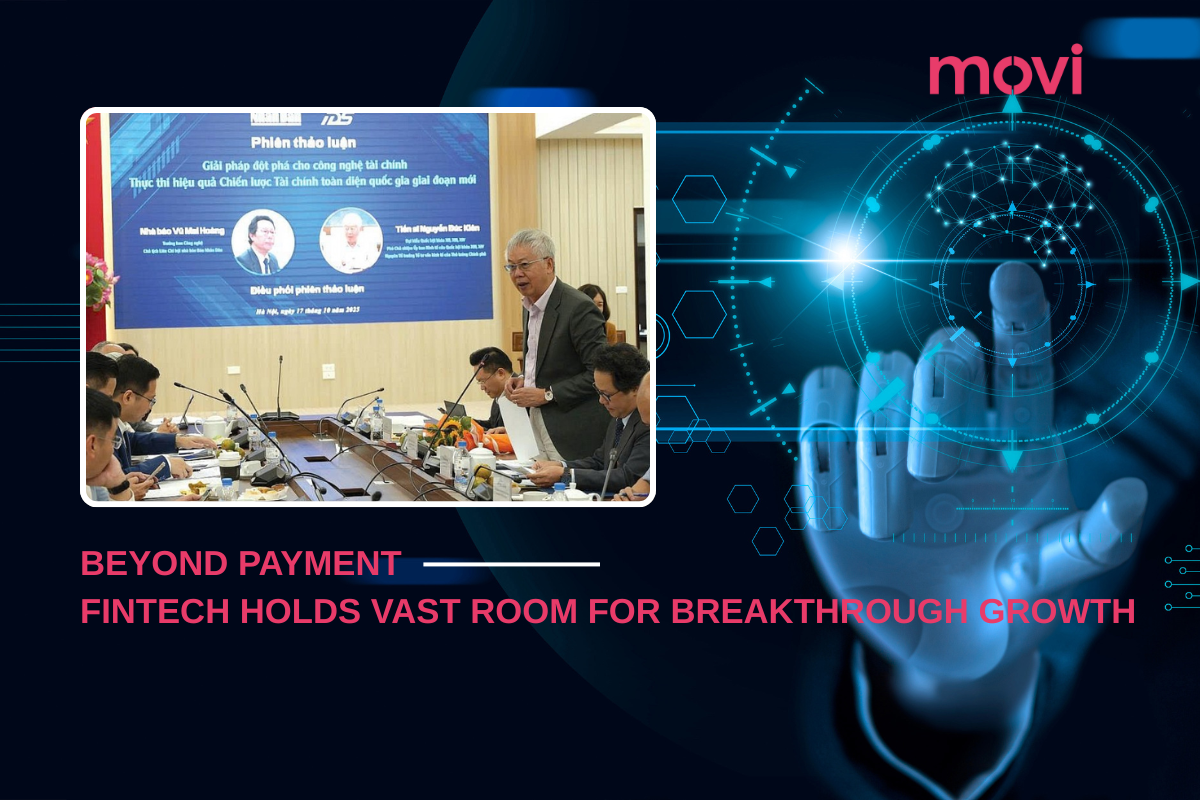
BEYOND PAYMENT, FINTECH HOLDS VAST ROOM FOR BREAKT...
28/10/2025
(TBTCO) – Fintech is creating strong momentum for cashless payment and digital financial s...
See more
WHEN FINANCIAL STRESS DIRECTLY IMPACTS WORK PERFOR...
13/02/2026
In today’s economy, financial stress has become more than a personal challenge, it is now...
See more
MOVI ACCOMPANIES THE VIETNAM GENERAL CONFEDERATION...
16/01/2023
MOVI deploys Tet booths with preferential prices in 8 provinces to serve the needs of empl...
See more
THÔNG CÁO BÁO CHÍ RA MẮT SẢN PHẨM "BAY TRƯỚC - TR...
11/05/2022
THÔNG CÁO BÁO CHÍ RA MẮT SẢN PHẨM "BAY TRƯỚC - TRẢ SAU"
See more
TOP 10 FINTECH PREDICTIONS FOR 2026
08/12/2025
The fintech sector enters 2026 facing a period of significant structural change
See more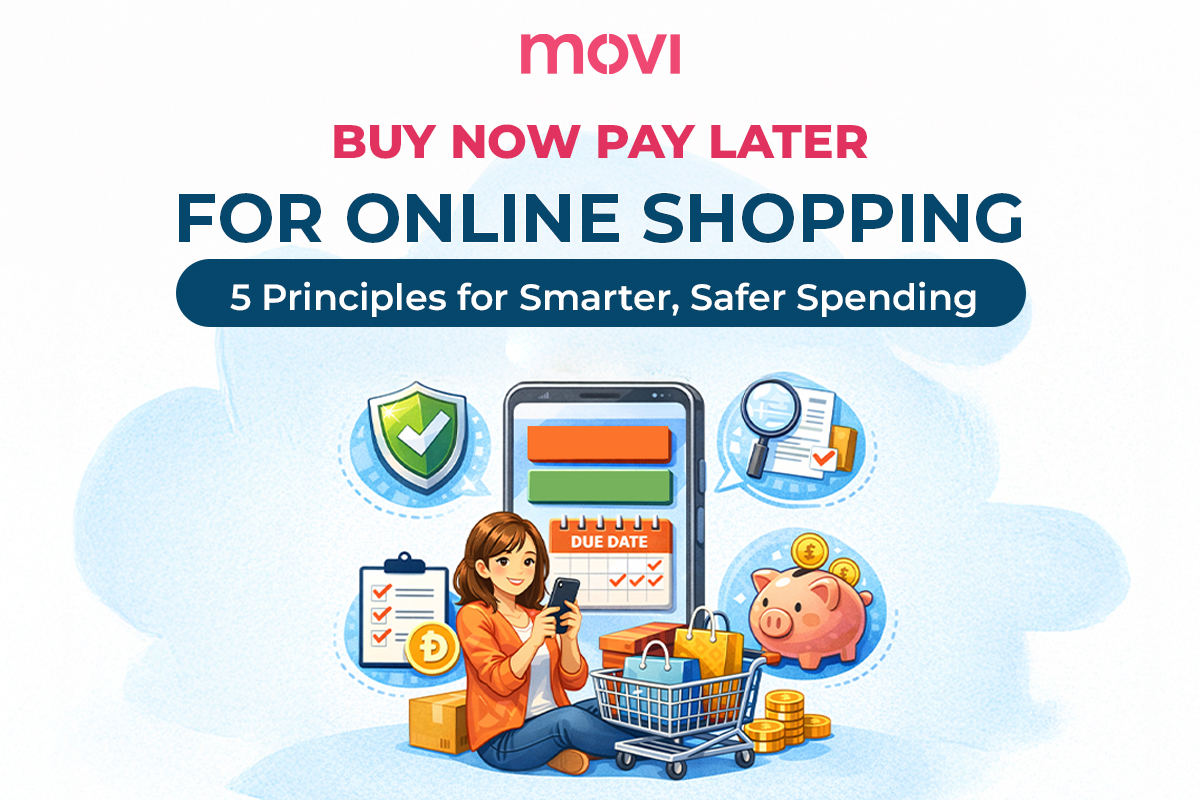
BUY NOW PAY LATER FOR ONLINE SHOPPING: 5 PRINCIPLE...
17/04/2026
Explore 5 practical principles for using buy now pay later in online shopping with greater...
See more
Viet Phu Payment Services Support Corporation
This website is established for the purpose of introducing MOVI Benefits Program deployed by Viet Phu and it's partners including but not limited to introduce the Partner, the goods, services sold in MOVI Benefits Program.


